Advance research and development with spatial and single-cell insight
Combining spatial and single-cell transcriptomics enables you to move beyond averaged signals and study how individual cells behave, interact, and organize within intact tissues. This integrated approach supports confident interpretation of mechanisms of action, target biology, and tissue-specific responses across discovery, translational, and preclinical research.
At Labena, transcriptomic studies are performed using 10x Genomics Xenium, Visium, and Chromium, enabling high-resolution in-situ, spatial, and single-cell analysis across complex sample types. These complementary technologies allow studies to be tailored to your scientific question—ranging from exploratory discovery to hypothesis-driven validation.
Tailored for Pharma: Minimize risks of failure in the later stages of drug development
Spatial, in-situ, and single-cell transcriptomics are increasingly integrated across pharmaceutical R&D to improve decision-making and reduce the risk of late-stage failure, including:
Target identification and validation
Selection and optimization of drug candidates
Mechanistic understanding of MoA, efficacy, toxicity, safety, and PK/PD
Biomarker identification and validation
Clinical and translational studies: performance, response, and resistance mechanisms
Spatial and single-cell transcriptomic approaches provide insight into how gene expression varies across tissues and cell populations, enabling biologically meaningful interpretation beyond bulk analysis. These methods are applied across diverse research and development areas, including:
Oncology
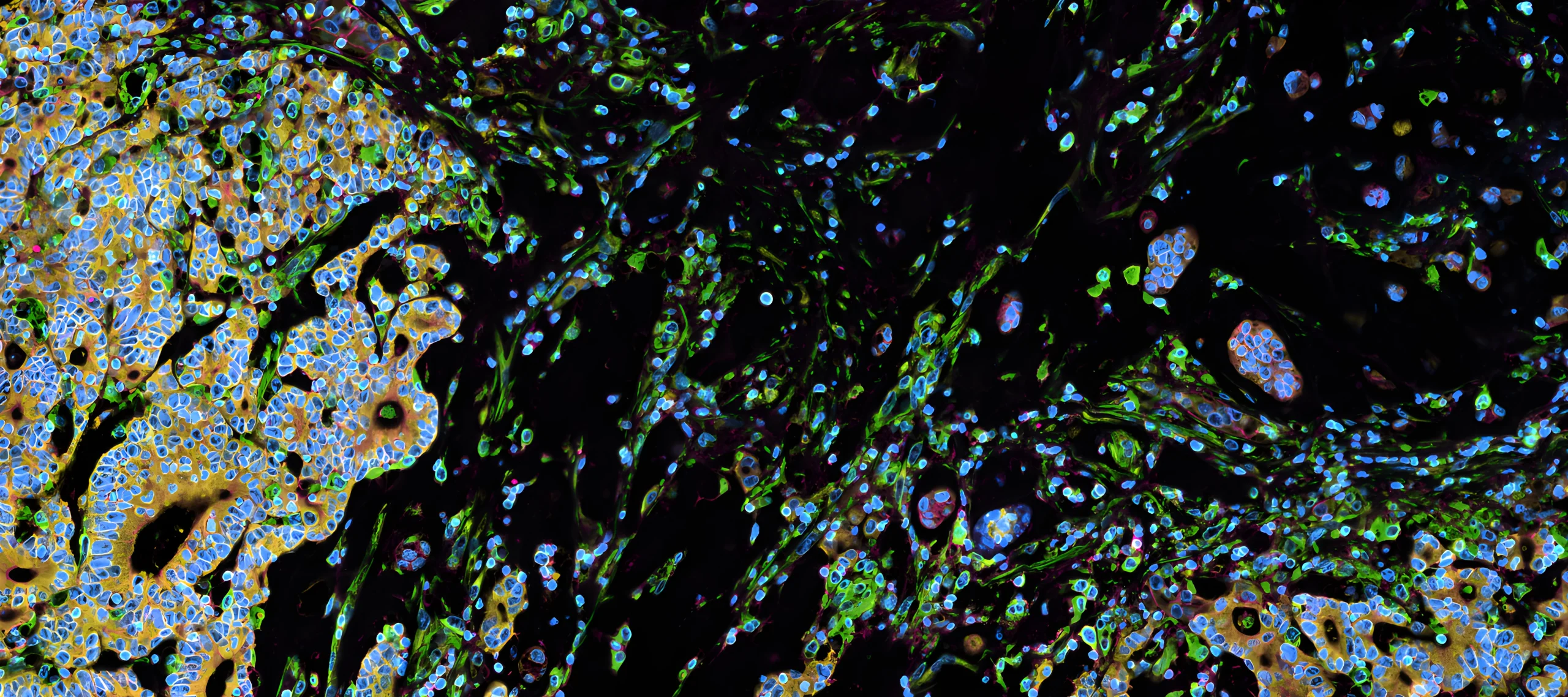
Characterize tumor and immune microenvironment heterogeneity, resolve spatial organization of cell populations, and identify biomarkers with therapeutic and translational relevance.
Immunology
Profile immune cell states and their spatial distribution in the context of infectious diseases, inflammatory conditions, and autoimmune disorders.
Neuroscience
Map spatial gene expression patterns in complex neural tissues to study disease mechanisms, neurodegeneration, and responses to injury
Select the transcriptomic approach best aligned with your scientific question
In-situ, spatial, and single-cell transcriptomics each address different aspects of cellular biology. Together, they provide complementary insight into cellular mechanisms, tissue organization, and biological heterogeneity across discovery and translational research.
In-situ Transcriptomics (Xenium)
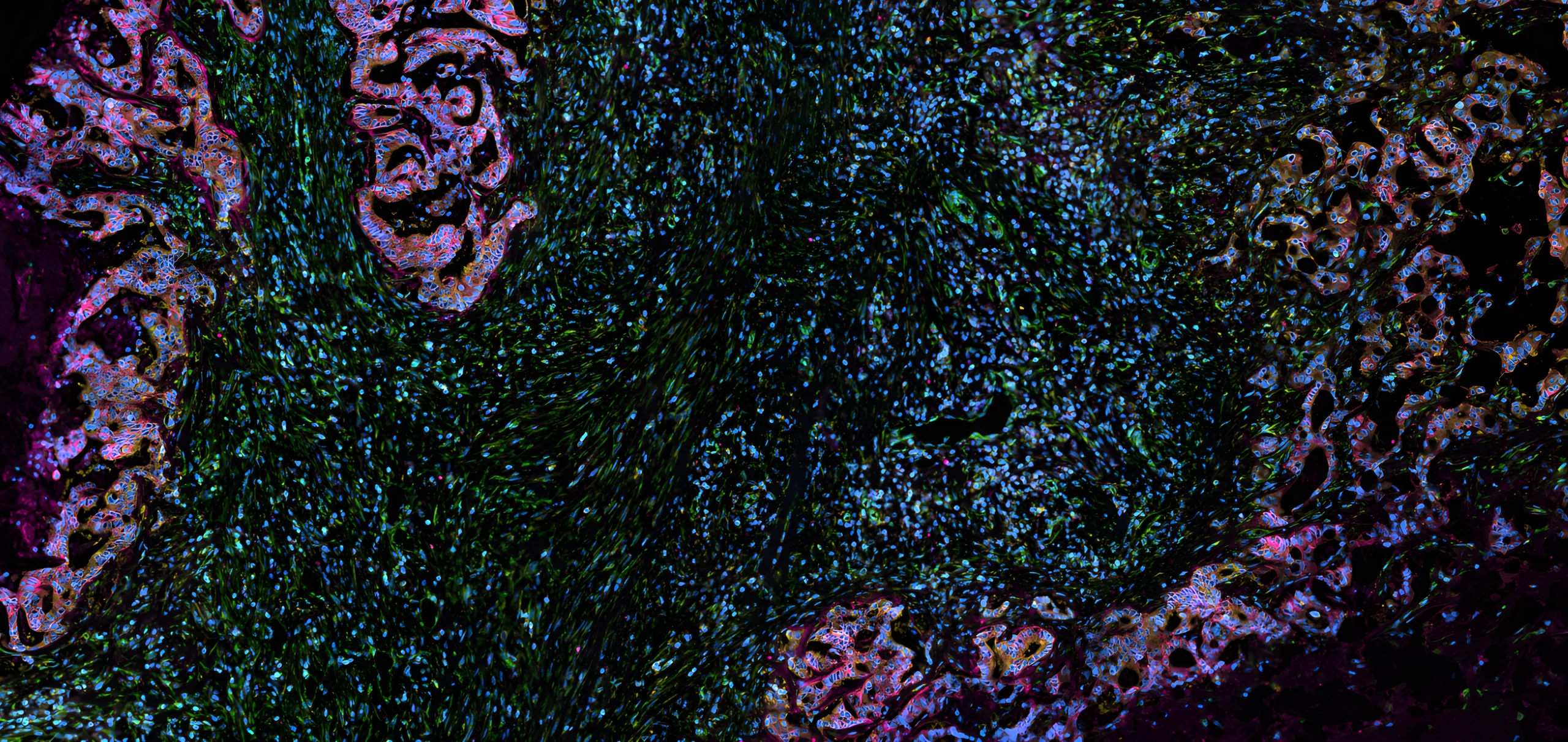
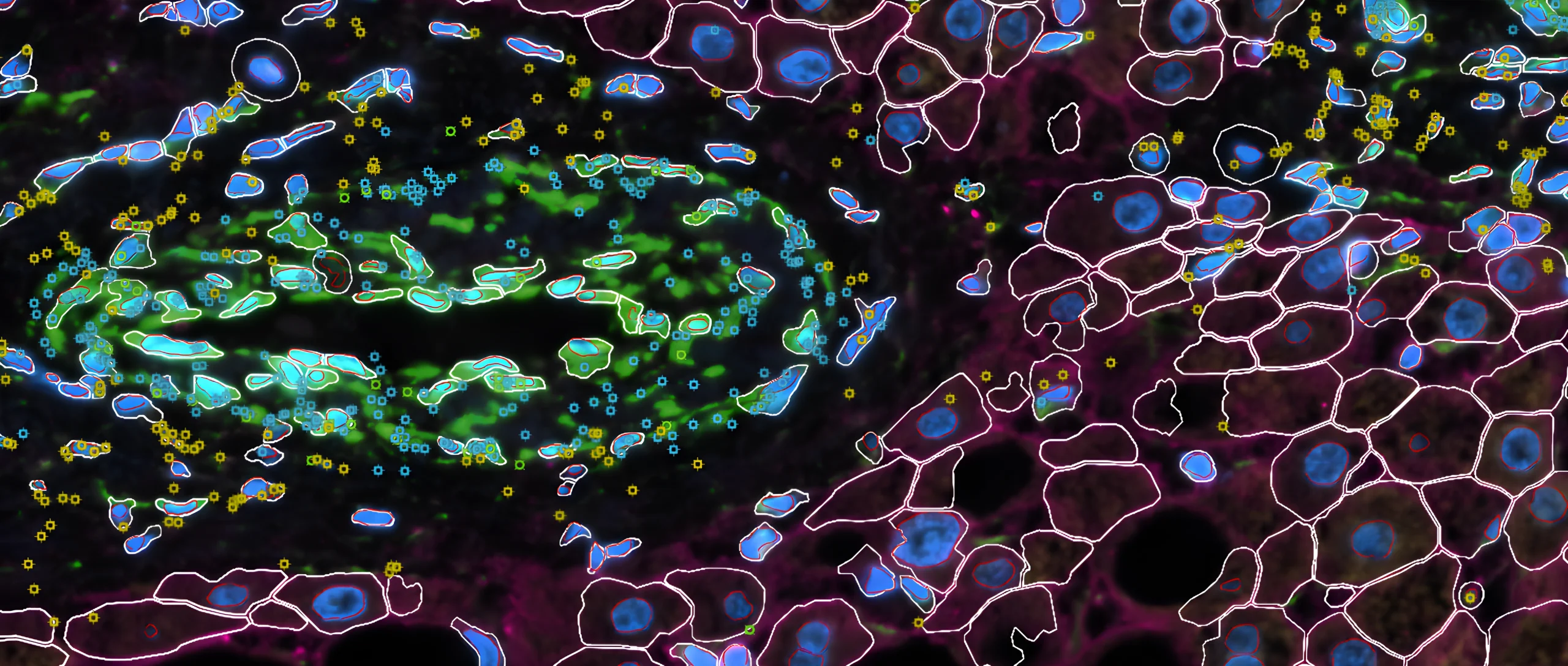
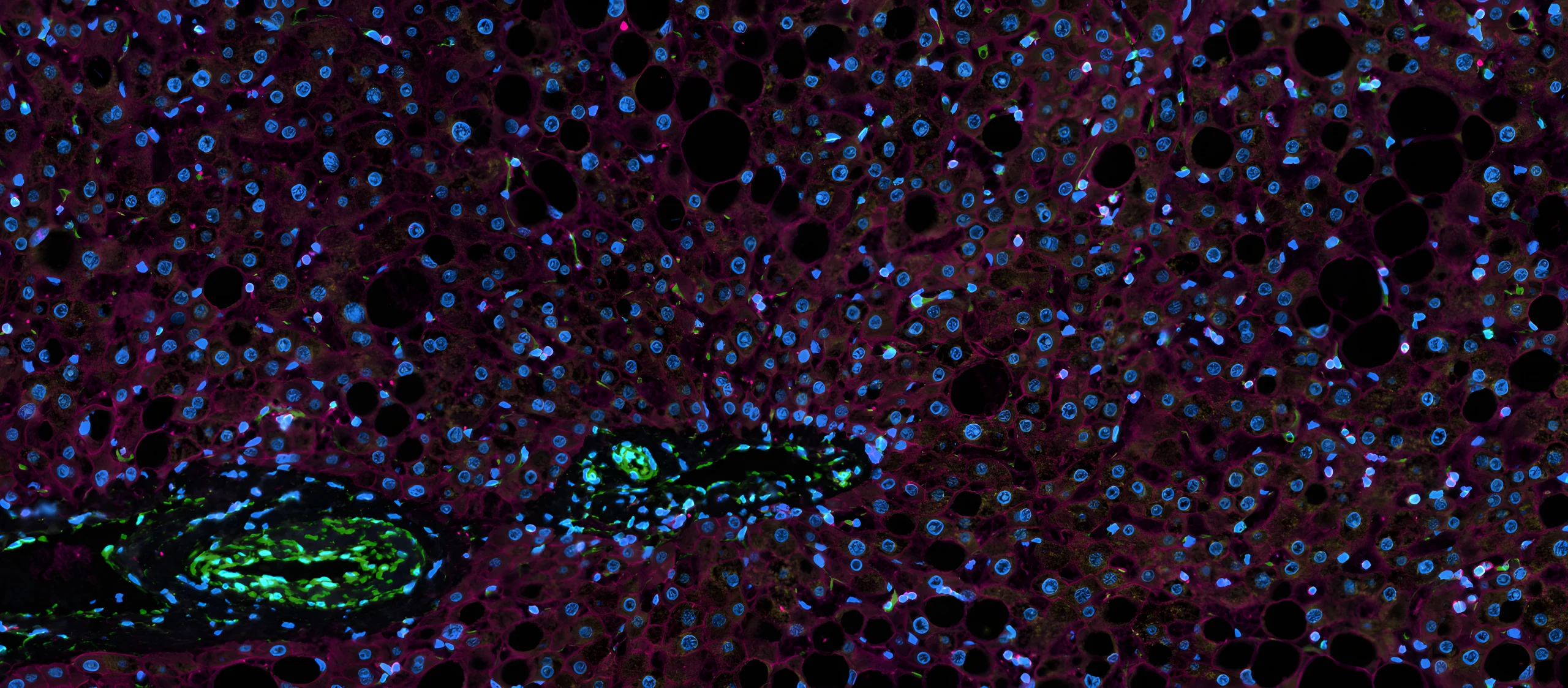
Best suited for studies requiring single-cell to subcellular spatial resolution with high sensitivity and specificity for a defined set of up to 5.000 target genes. It enables direct visualization and quantification of transcripts within individual cells while preserving tissue morphology. Xenium is particularly appropriate for hypothesis-driven research, validation of biomarkers, characterization of cell–cell interactions, and translational or preclinical studies where precise cellular localization is essential.
Spatial Transcriptmics (Visium)
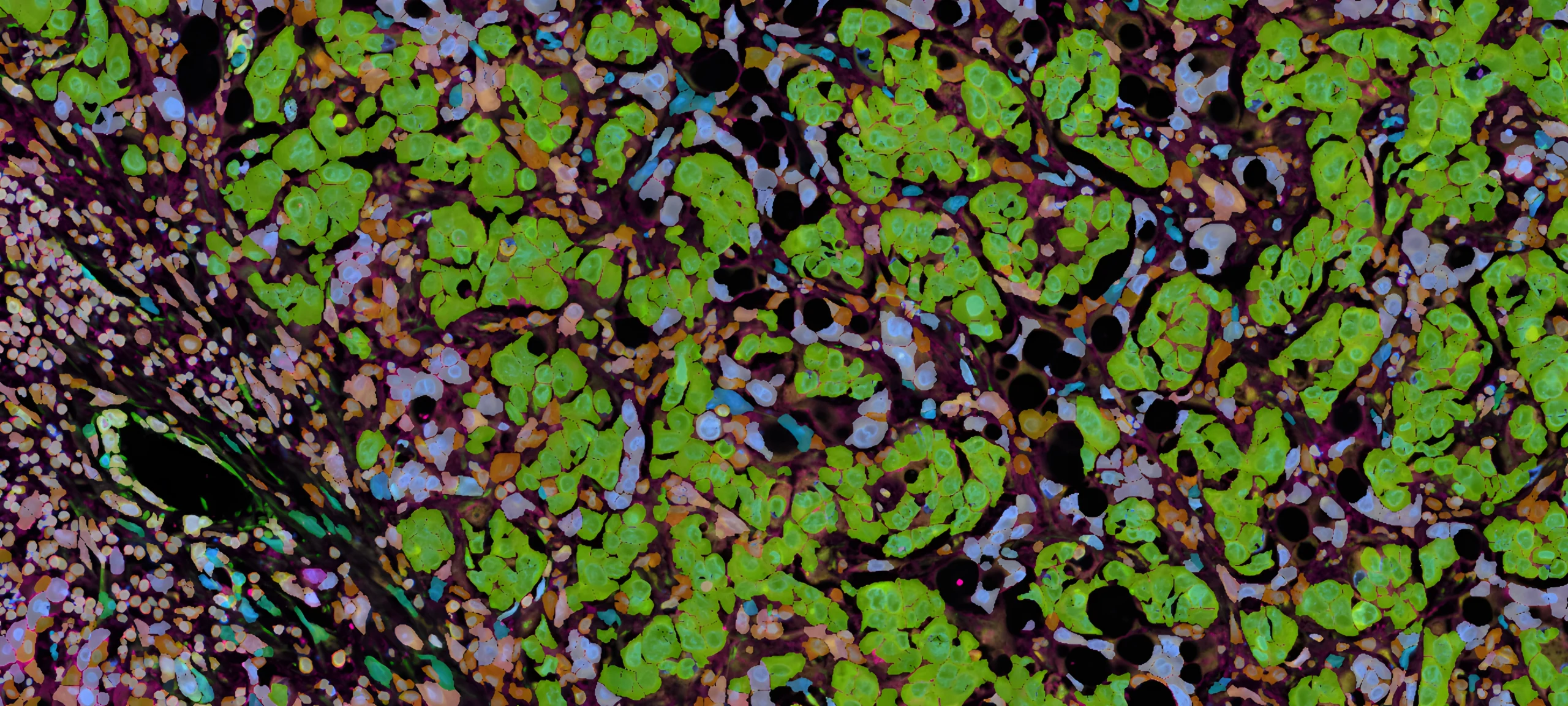
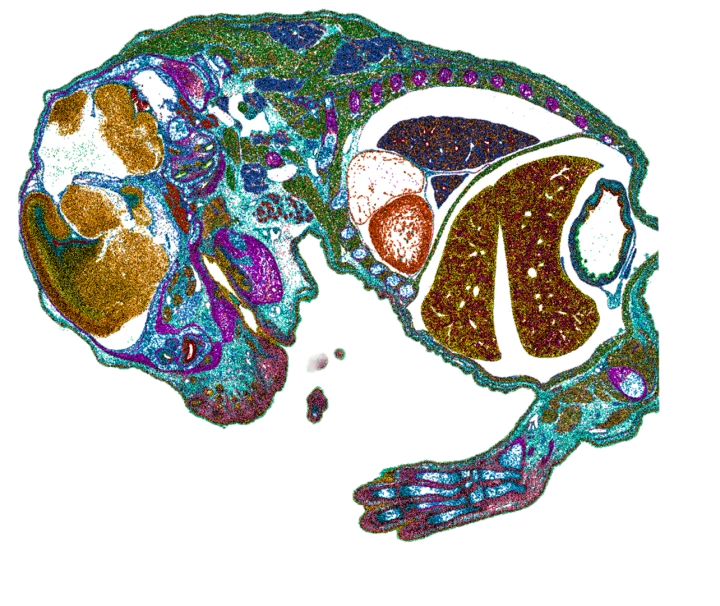
Designed for unbiased, transcriptome-wide profiling across intact tissue sections. By capturing gene expression over spatially defined spots, Visium allows identification of spatial gene expression patterns, tissue domains, and biologically relevant regions without prior gene selection. Visium is therefore well suited for exploratory studies, discovery of pathways and cellular niches, and for generating hypotheses that can later be refined using higher-resolution methods such as Xenium.
Single-Cell Transcriptomics (Chromium)
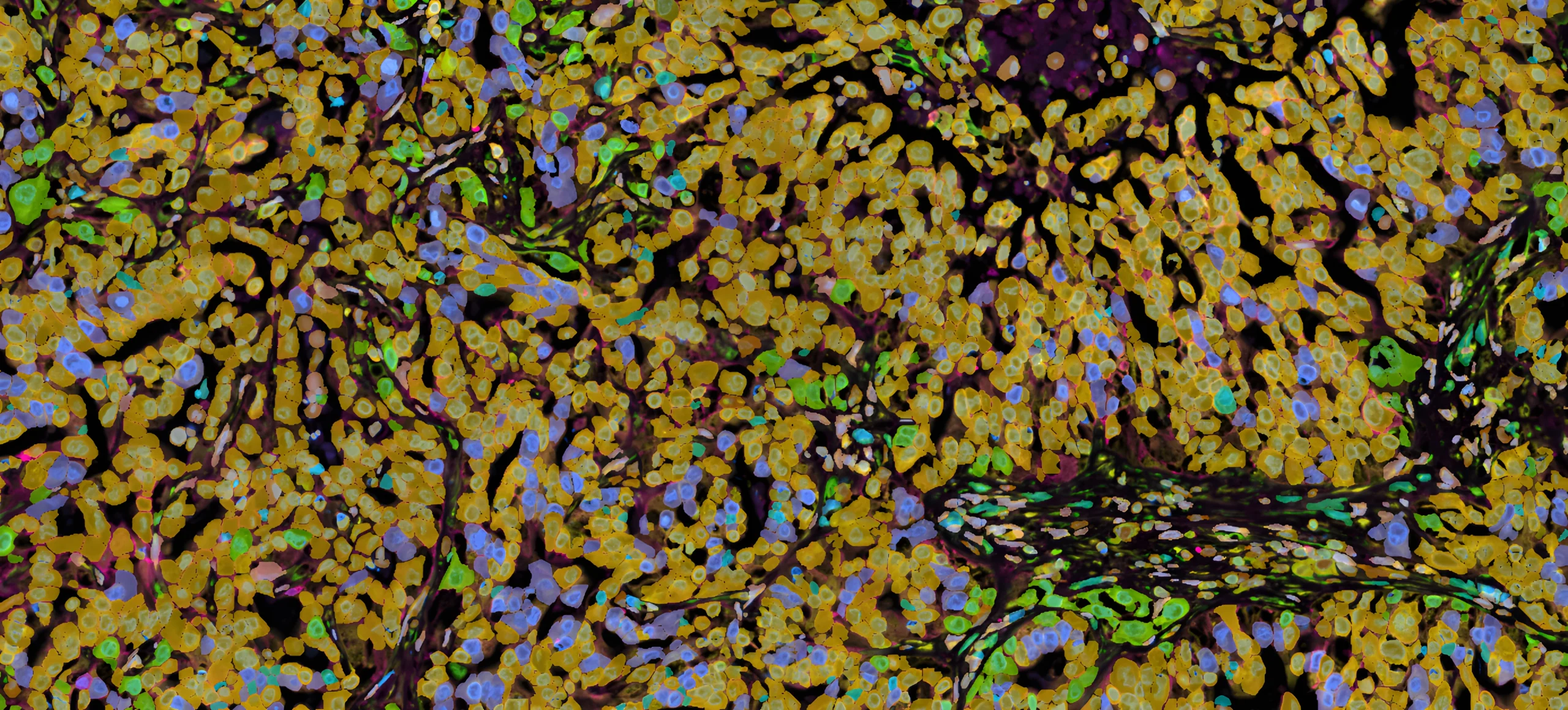
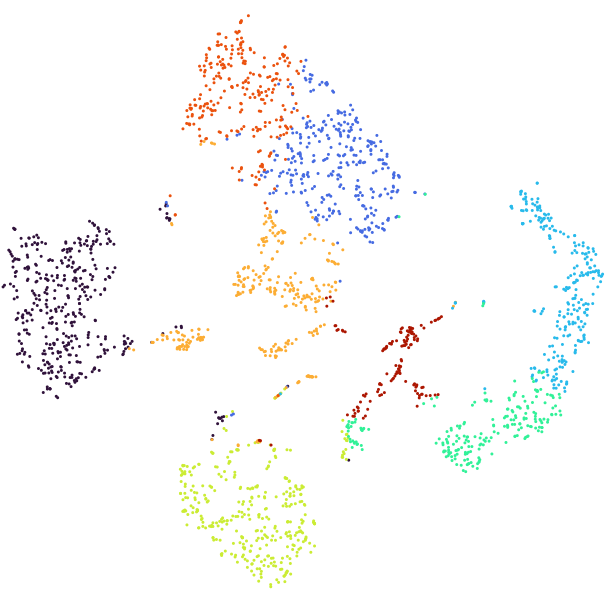
Designed for high-throughput, unbiased gene expression profiling at true single-cell resolution across complex cell populations. Chromium enables robust characterization of cellular heterogeneity, identification of rare cell types, and comparison of cell states across conditions. It is well suited for discovery-driven research, mechanism-of-action studies, immune profiling, and translational or preclinical programs where scalable, statistically powered single-cell data are required.
Your certified transcriptomics partner
Certified by 10x Genomics for service quality, reliability, and professional execution, Labena supports transcriptomics projects to the highest technical standards. As an early adopter of 10x Genomics technologies and a European CRO with 30 years of experience in the highly regulated pharma sector, projects are executed within a GMP-like environment.
End-to-end support includes consultation on platform selection, guidance on sample preparation, sample sectioning, experimental execution, data generation, and bioinformatic analysis—ensuring reliable results and a seamless project experience from study design to actionable insight.
Quick turnaround
Results available in as little as 1-2 weeks per run
Customer support
Recognized for technical knowledge, supporting data interpretation
End-to-end service
From sample sectioning to bioinformatic analysis
Let’s Start Your Research Journey
Our team of experts is here to guide you through the process and tailor solutions to your research needs.