
Turn your research question into single-cell or spatial data
Join our Grant Challenge
Three projects will be selected to receive Labena CRO services for a single-cell or spatial study, from sample preparation to data generation in our laboratories.

Applications close 15 November 2026
Advance research and development with spatial and single-cell insight
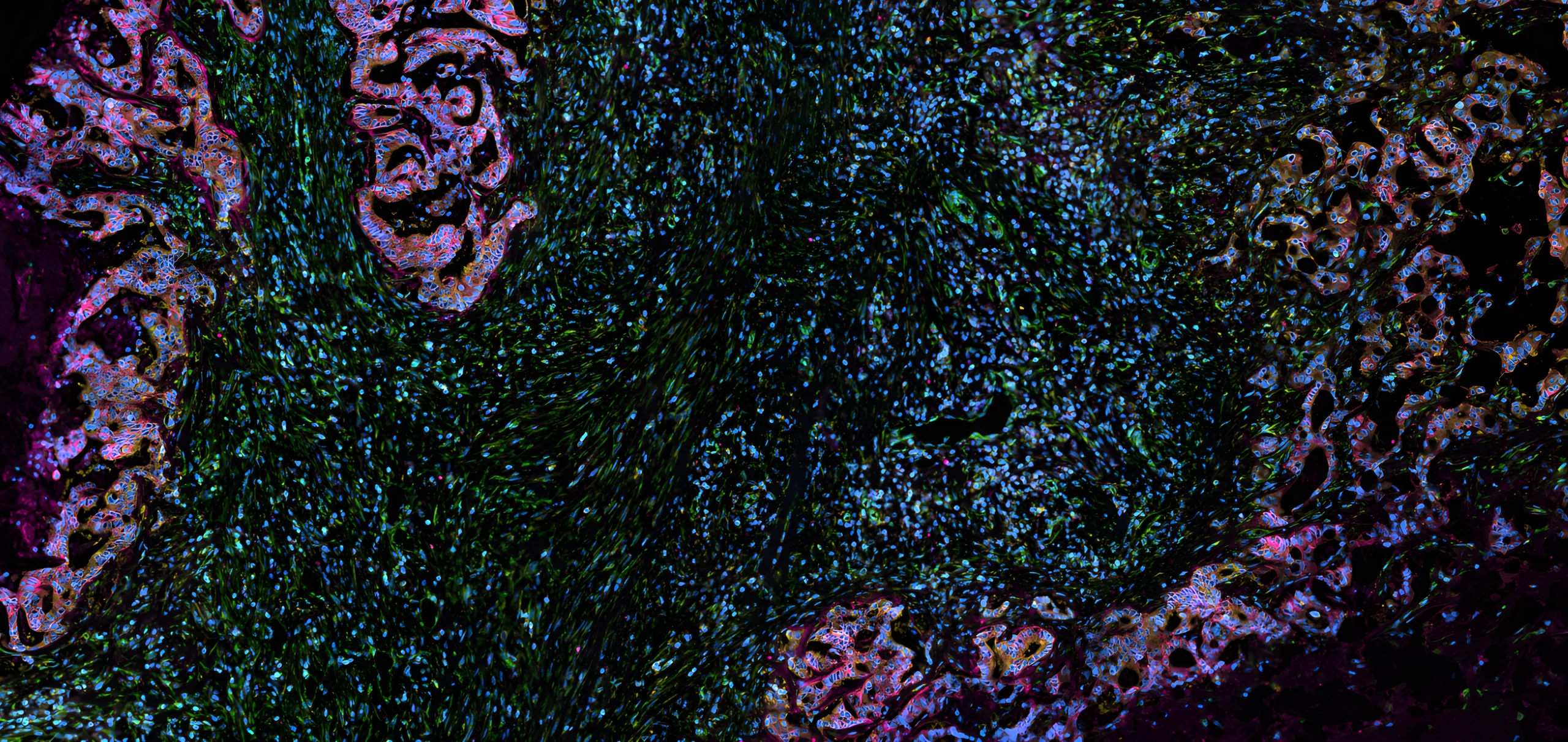
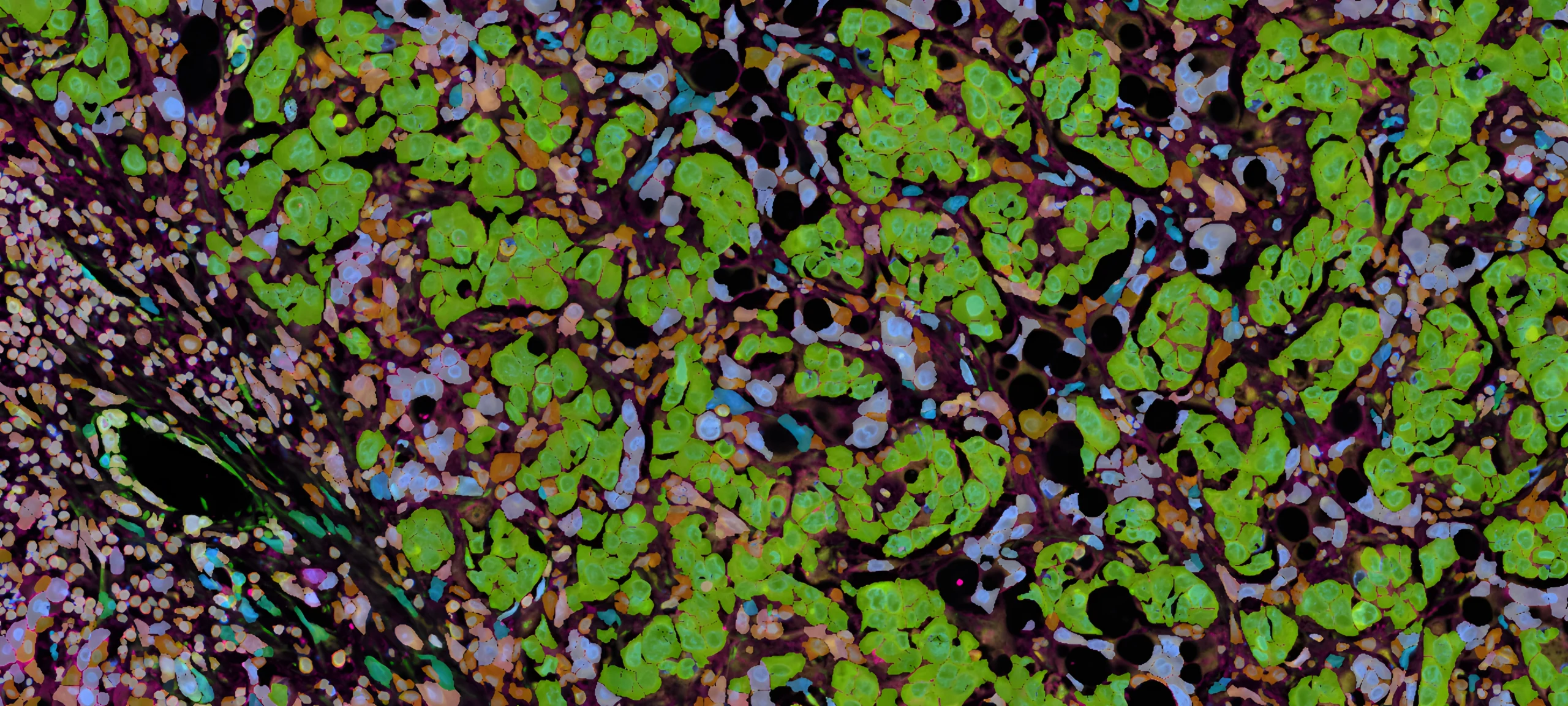
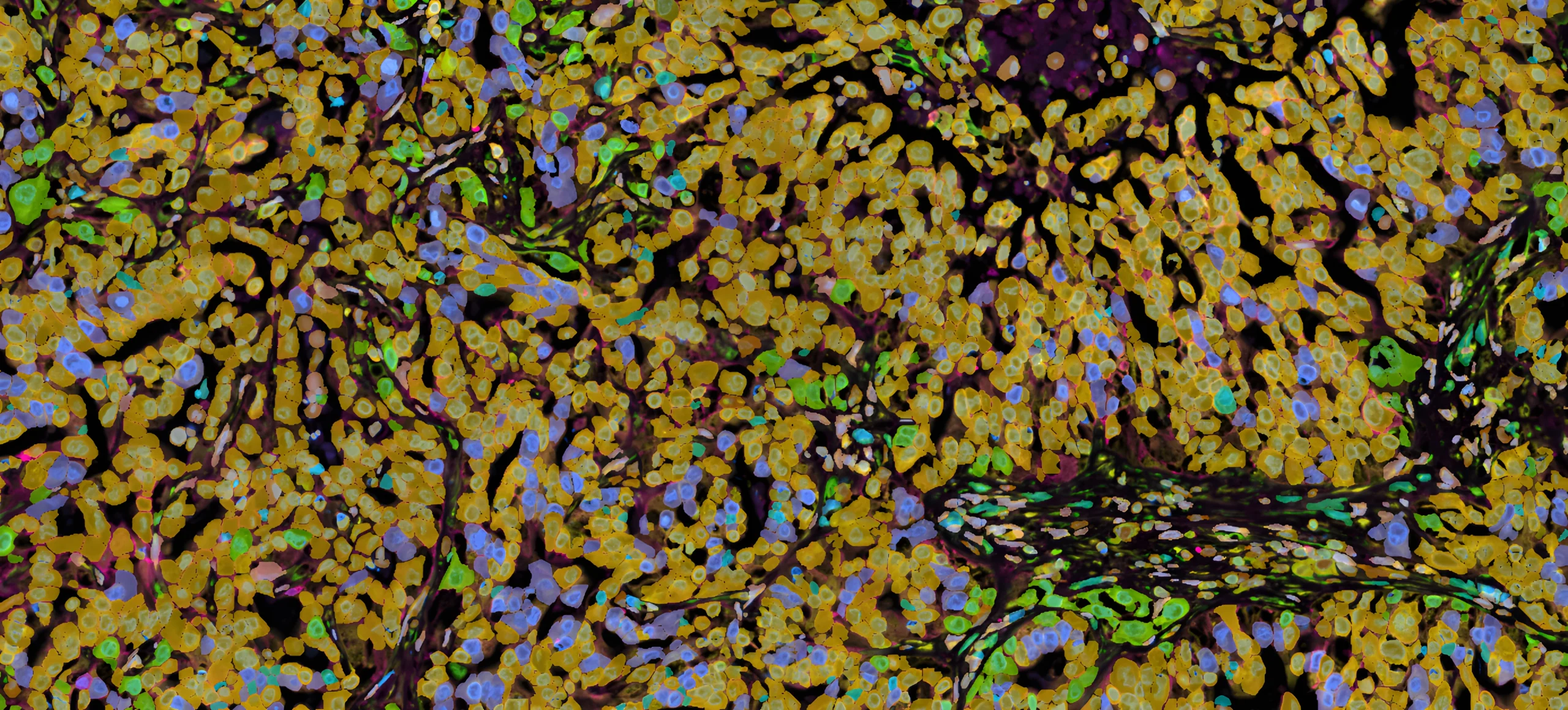
Single-cell analysis reveals the diversity of individual cells within complex biological systems. Spatial technologies show how those cells are organised and interact inside their native tissue. Together they open up disease and resistance mechanisms, tissue architecture, cellular interactions, treatment response, and candidate therapeutic targets.
As a certified 10x Genomics Service Provider, Labena supports researchers on Chromium Single Cell, Xenium In Situ and Visium Spatial — and not only at the bench: study design, sample preparation, quality control, laboratory workflows and bioinformatics are all handled by Labena, so the technology and the workflow actually match the question being asked and the project achieves valuable results.
What is covered by the grant
- Single-cell project with 10x Genomics Chromium, for cell-by-cell resolution across a dissociated sample: Flex v2 16 rxn, 3′, 5′, ATAC or Multiome 4 rxn.
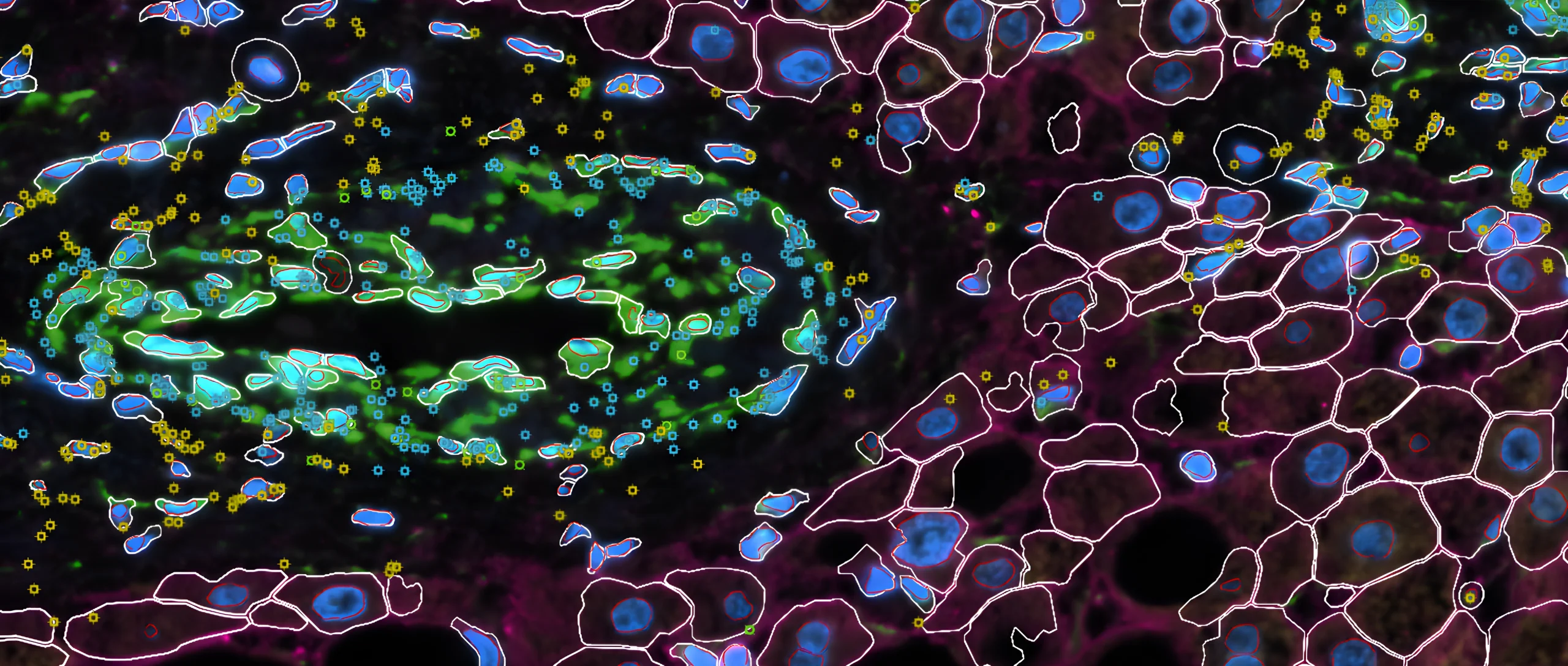
- Spatial project — Xenium, for targeted gene expression in intact tissue with single-cell resolution: one run on 10x Genomics Xenium In Situ, preset panels excluding custom panels and the 5K panel.
- Spatial project — Visium, for whole-transcriptome expression mapped across a tissue section: one run on 10x Genomics Visium Spatial, Visium HD slide, 6.5 × 6.5 mm.
The selected participants will be invited to visit Labena’s laboratories in Ljubljana during the project, to see the laboratory work in person and meet the team.
Labena’s experts support the project from study design and sample qualification through laboratory work to data generation, including the standard primary analysis output from the instrument pipeline. Sequencing is covered up to a value of €2,000 per project.
Read the full scope of what is covered, sample requirements and exclusions in the cooperation terms and conditions.
Who can apply
The grant is open to researchers based in Europe. Applications from different areas of biomedical, pharmaceutical, or other life-science research are welcome. The Grant Challenge is open to researchers at academic and non-profit research institutions, such as universities, research institutes and university hospitals.
Previous experience with single-cell or spatial technologies is desired, but not required. Researchers with a strong scientific question and suitable biological samples are encouraged to apply.
Application and research areas
Spatial and single-cell approaches show how genomes, gene and protein expression vary across tissues and cell populations, making biologically meaningful interpretation possible beyond bulk analysis. These methods are applied across many research and development areas, including:

Oncology
Characterize tumor and immune microenvironment heterogeneity, resolve spatial organization of cell populations, and identify biomarkers with therapeutic and translational relevance.

Immunology
Profile immune cell states and their spatial distribution in the context of infectious diseases, inflammatory conditions, and autoimmune disorders.

Neuroscience
Map spatial gene expression patterns in complex neural tissues to study disease mechanisms, neurodegeneration, and responses to injury
How to apply
Submit a short proposal covering:
- Applicant and institution details
- Your research question and objectives
- Scientific relevance and expected impact
- Fit of the proposed analysis into your wider research project
- Available sample type, number and preparation method
- Any previous experience with single-cell or spatial technologies
- Your preferred technology, if you already know
Winners announced: 15 December 2026
Apply here
Application deadline is 15 November 2026.
Before applying, read the cooperation terms and conditions, which cover the application requirements.